What started as a seemingly trivial itch soon evolved into a medical concern that could no longer be ignored. Initially, the skin reaction appeared as mild irritation.
Accompanied by sporadic redness and swelling that would flare up unpredictably and then disappear without warning.
At first glance, these sensations—an uncomfortable burning, tingling, or prickling feeling—seemed like a minor inconvenience. Many people in similar situations might assume that these symptoms were related to a temporary allergy, triggered perhaps by certain foods, environmental factors, or contact with unfamiliar substances.
However, for him, the reality was far more complex and persistent. What was initially a simple skin irritation soon began to develop into a recurring and more widespread problem.
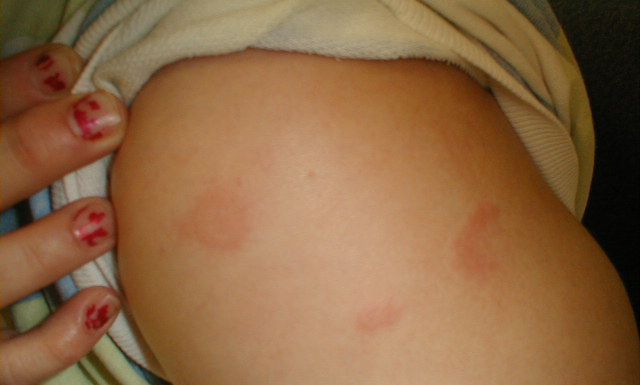
The visible skin manifestations were deceptive. Small, raised patches, often pink or red, would appear suddenly and fade just as quickly, leaving behind either normal-looking skin or faint discoloration.
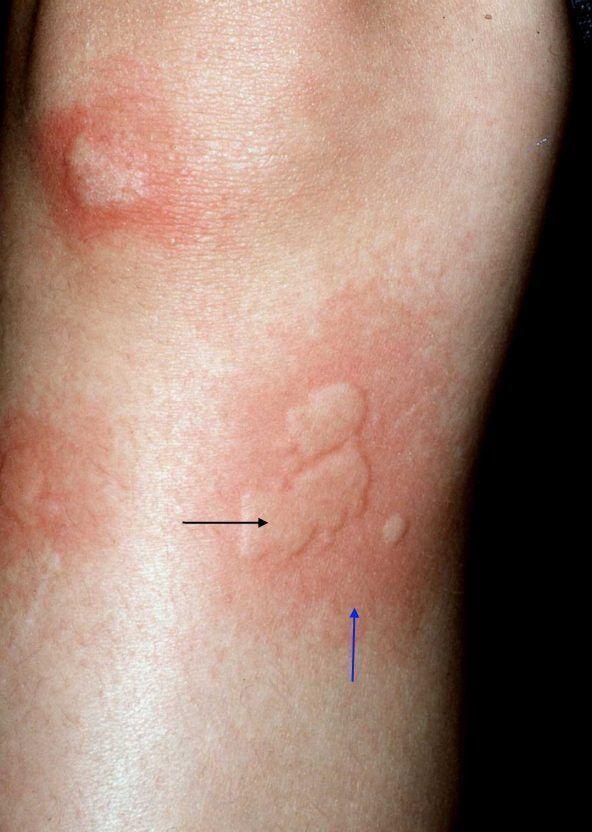
Some patches were round, others irregularly shaped, and their locations varied from day to day. This unpredictability often caused frustration and anxiety, as he never knew where the next flare might occur.
While mild cases of skin irritation can often be dismissed, these recurring symptoms were a signal from the body that something deeper was occurring.
After consulting a physician, he received a diagnosis that brought both clarity and concern: urticaria, commonly known as hives.
Hives are not merely a superficial skin condition; they are a complex immune-mediated reaction involving mast cells, which are specialized immune cells present in the skin and other tissues.
Mast cells play a crucial role in defending the body against infections and injuries, but in the case of urticaria, they release histamine and other inflammatory mediators inappropriately.
When histamine enters the bloodstream, it causes small blood vessels to become leaky, leading to fluid accumulation in the upper layers of the skin. This results in the characteristic raised, red, and intensely itchy welts.
The severity of hives can vary greatly. While some individuals experience mild, localized reactions, others develop more severe and widespread flare-ups that affect large portions of the body.
In his case, the condition began to progress beyond the superficial skin reactions. Areas around the lips, eyelids, and even the hands and feet started to swell noticeably.
This deeper tissue involvement is medically referred to as angioedema, a form of swelling that occurs beneath the skin and in mucous membranes.
Angioedema can be particularly dangerous when it affects the face, lips, tongue, or throat, because swelling in these areas can obstruct breathing and pose a life-threatening risk.
The sensation of swelling beneath the skin was different from the initial irritation. He experienced a tightening feeling in his throat, puffiness around his eyes, and lips that appeared visibly enlarged.
The physical discomfort was coupled with emotional distress; what was once merely annoying now became frightening.
Daily activities such as speaking, eating, or even swallowing became sources of anxiety, as each flare-up carried the potential for escalation into a severe allergic reaction known as anaphylaxis.

Medical professionals investigated potential triggers. The causes of urticaria are diverse and can range from dietary factors to environmental exposures.
Common food triggers include nuts, shellfish, eggs, and certain preservatives or additives. Medications, such as antibiotics, nonsteroidal anti-inflammatory drugs (NSAIDs), and certain pain relievers, are also frequently implicated.
Infections, whether viral, bacterial, or parasitic, can provoke immune responses that manifest as hives. Physical stimuli, including pressure, cold, heat, or sunlight, may contribute to specific types of urticaria known as physical urticaria.
Additionally, psychological stress has been shown to exacerbate or prolong flare-ups, likely due to its impact on immune system regulation.
Despite thorough evaluation, many cases of urticaria remain idiopathic, meaning no single cause can be identified. Chronic urticaria, defined as hives persisting for more than six weeks, is particularly challenging to manage, as symptoms may persist for months or even years.
Acute urticaria, on the other hand, is usually self-limiting, lasting less than six weeks and often resolving without long-term complications.
Understanding the difference between acute and chronic forms is essential for both treatment planning and patient education.
Treatment strategies focused primarily on controlling the immune response and mitigating symptoms. Antihistamines became the cornerstone of therapy, often administered at higher-than-standard doses to achieve symptom relief.
These medications work by blocking histamine receptors, thereby reducing itching, redness, and swelling. For severe or rapidly escalating flare-ups, corticosteroids were sometimes prescribed short-term to suppress the inflammatory response more aggressively.
In addition to oral medications, topical therapies such as soothing creams, cooling gels, and anti-inflammatory ointments were used to provide local relief and comfort.
However, medication alone was not sufficient. Education about the condition, recognition of early warning signs, and lifestyle adjustments were equally critical in managing the disease.
He learned to monitor the body carefully for any unusual swelling, especially around the face and throat, and to seek medical attention immediately if breathing difficulties or rapid progression occurred.
Even minor-looking skin reactions could signal more significant systemic involvement, underscoring the importance of vigilance.
Over time, the experience reshaped his understanding of his own body. What had begun as a minor annoyance evolved into a lesson in self-awareness, prompting attention to subtle bodily cues that might otherwise have been ignored.
Early recognition of symptoms and prompt intervention transformed fear into proactive management, reducing the risk of serious complications.
It became clear that skin reactions, although often perceived as cosmetic or superficial, could serve as a vital alert system for the immune system’s underlying activity.
Beyond the physical symptoms, the psychological impact of chronic urticaria was significant. The unpredictability of flare-ups created ongoing anxiety, interfering with work, social interactions, and daily routines.
There was a persistent fear that an ordinary meal or casual exposure could trigger a severe reaction, leading to hypervigilance and stress.
Learning to balance caution with normal life activities required not only medical support but also emotional resilience.
In addition, lifestyle modifications helped reduce the frequency and severity of flare-ups. Avoiding known triggers, maintaining a balanced diet, managing stress through mindfulness or relaxation techniques, and using protective measures against environmental stimuli proved beneficial.
While these measures could not cure the condition, they complemented pharmacological treatment and improved quality of life.
Ultimately, the journey through chronic urticaria and angioedema highlighted the importance of a comprehensive approach to immune-related skin conditions.